
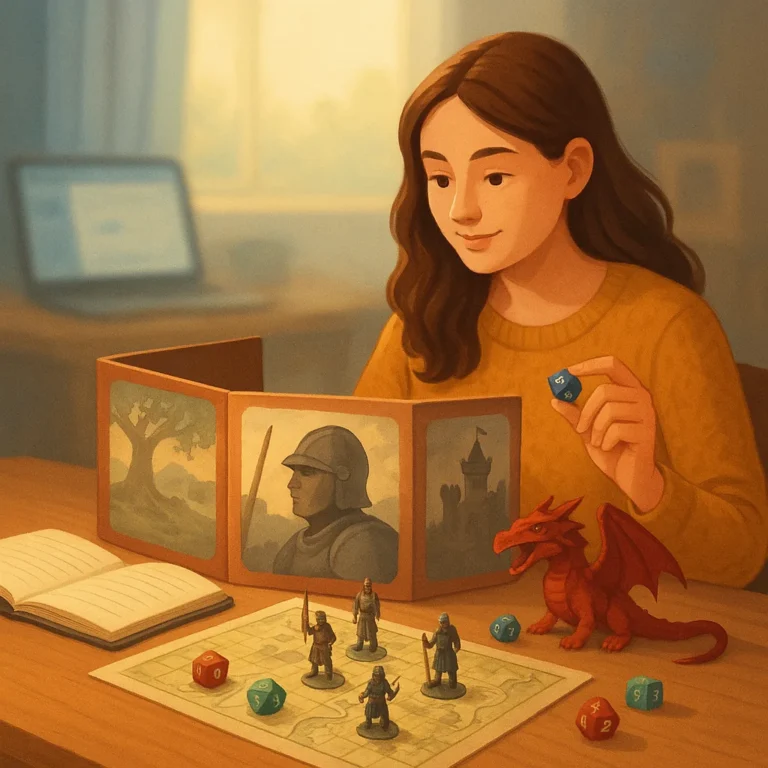
Roleplay worlds attract players who want more than a scoreboard or a fixed path to victory. They invite people to perform characters, build relationships, and shape scenes with others. A cafe, marketplace, or expedition becomes memorable because participants decide what matters. Every conversation, choice, and reaction can turn a game space into an unfolding story.
This article focuses on tools that make freedom practical, from expressive avatars and movable props to spaces designed for spontaneous scenes. It also covers habits that keep communities welcoming: clear boundaries, patient turn taking, moderation, and respectful feedback. Learn how to discover groups, read expectations, and enter a scenario without an elaborate backstory or skills.
Why Roleplay Worlds Keep Players Returning
Open roleplay creates reasons to return because no single session has to settle everything. A character might repair a friendship, inherit a shop, investigate a rumor, or fail in a way that inspires the next episode. Familiar faces remember choices, while new arrivals add surprises, giving routine play the continuity of a living series.
Players also return for the identity they can practice together. Someone may be a careful detective in one setting, a theatrical shopkeeper in another, or a loyal friend whose decisions slowly reveal a complicated past. Shared rituals strengthen that identity: greeting regulars, meeting at favorite locations, preparing costumes, and retelling legendary scenes after each session.
Tools for Character and Story Creation
Avatars, Costumes, and Character Goals
Avatars and costumes communicate a role before a player says a word. A bright uniform can signal authority, mismatched layers can suggest comedy, and subtle accessories can hint at history. Good customization offers control without demanding hours of design. Character goals give players reasons to seek allies, avoid danger, or pursue change during a scenario.
Props, Locations, and Shared Scenes
Props and locations give improvisation something concrete to answer. A noticeboard can launch a mystery, a rented room can become a council chamber, and a simple vehicle can turn travel into a conversation. Creators need not build maps; details can suggest relationships and choices. When everyone can reference objects, groups gain a stage for storytelling.
Community Norms in Social Hubs
Healthy roleplay begins with consent, especially when scenes involve conflict, romance, fear, or personal topics. Groups should make it easy to state limits before and during play. A character may accept danger while the player declines graphic detail, surprise contact, or private messages. Respecting those limits protects trust and keeps creativity open in shared scenes.
Respectful improvisation also depends on taking turns and listening. Leave room for another player to finish a thought, accept an unexpected contribution, and build on it instead of forcing every scene toward your own plan. When disagreements appear, discuss them outside the performance rather than escalating. Helpful communities reward curiosity, acknowledge mistakes, and explain customs.
Discovering Servers and Scenarios
Public servers and scenarios vary widely, so read their descriptions before entering. Look for clear themes, recent activity, stated age expectations, and instructions for joining scenes. A detailed introduction often signals that organizers care about consistency, while a friendly welcome area can reduce pressure for beginners. Choose welcoming spaces matching your story and social energy.
Watch a public scene for a few minutes before introducing yourself, when observation is allowed. Notice whether players share attention, whether newcomers receive guidance, and whether the pace leaves openings for participation. Check creator profiles, event schedules, and recent conversations for signs of active stewardship. If it feels empty or confusing, move on and explore.
Safety, Boundaries, and Moderation
Safety tools should support creative risk without asking players to tolerate discomfort. Learn how to report harassment, block unwanted contact, mute channels, and leave a scene quickly. Private sessions can provide a calmer place to test characters, while communication limits help separate performance from personal access. Use these controls early; preparation supports secure participation.
Leaving an uncomfortable situation is a valid choice, not a failure of imagination or commitment. You can pause, explain that a boundary was crossed, move to a private channel, or ask a moderator for help. Trusted moderators apply rules consistently and protect reports from retaliation. If moderation fails, leave and choose a better managed space.
A Roleplay Starter Path
Start by observing a welcoming space, reading its rules, and noticing how members enter ongoing scenes. Then create a simple character with one clear desire, one useful strength, and one limitation that invites cooperation. Introduce yourself briefly, ask where beginners can participate, and choose a relaxed setting such as a market, workshop, or community gathering.
From there, let the character evolve through play instead of writing a perfect biography first. Respond to other players, accept awkward moments, and treat each scene as practice in collaborative storytelling. The best roleplay communities leave room for both confident performers and curious beginners. Explore patiently, respect boundaries, and choose safe, shared creativity.