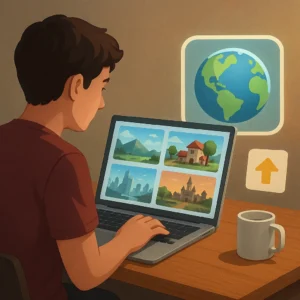
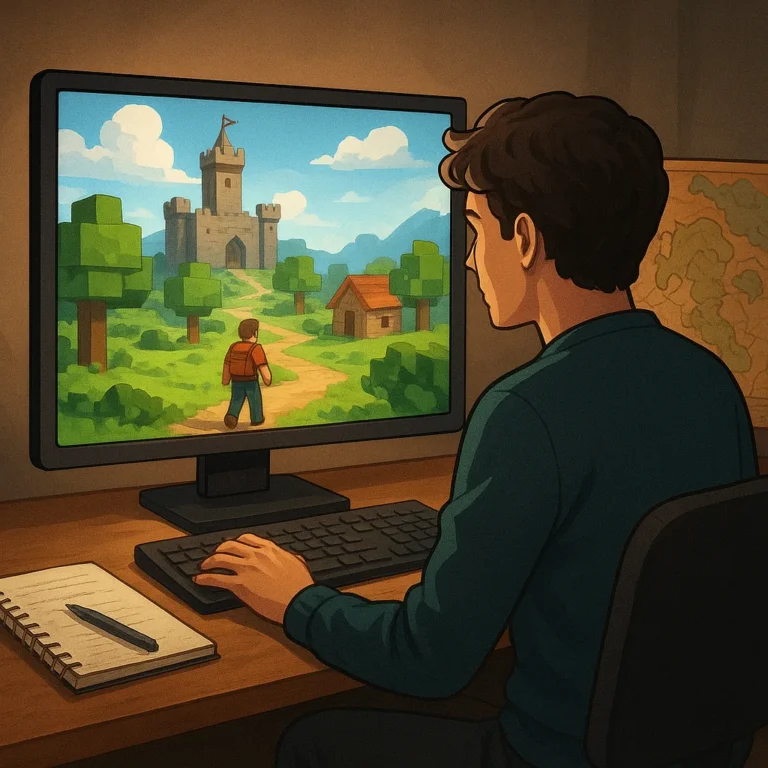
User-made game worlds can feel like a huge festival with every path inviting you somewhere different. One space may offer quiet puzzles, another may center on roleplay, building, competition, or conversation. That variety is exciting, but endless choices can also make a first visit feel confusing. A simple discovery routine keeps exploration welcoming.
Begin with a goal instead of trying to judge every available world. Decide what mood or activity you want, search with clues, read the entry details, and notice how the community behaves. Then save places and revisit them later. This process reduces pressure while helping you learn which signals make a world worth your time.
Begin With a Clear Discovery Goal
Before opening a search page, name the experience you hope to have. Choose building if you want to experiment with spaces, roleplay if you enjoy shared stories, puzzles if you prefer careful problem solving, or competition if a clear challenge motivates you. You can choose social activity or exploration when conversation and discovery matter most.
Keep the first goal flexible, because a world may combine formats. For example, a building project may include puzzles, while a roleplay space may reward exploration more than conversation. Write one sentence describing your ideal visit, then use it as a filter. A focused question helps compare places without assuming a popular choice is best.
Use Search, Categories, and Creator Pages
Search Beyond the Trending List
Search tools work better when your words describe an activity rather than a promise. Try phrases such as cooperative building, mystery puzzle, beginner roleplay, peaceful exploration, or short social session. Compare categories and creator pages before opening several results. Smaller projects may have thoughtful design, welcoming hosts, and fewer distractions than crowded trending spaces.
Read Descriptions Before Joining
Read the description before joining, even when a thumbnail looks appealing. Look for audience, controls, session length, content notes, update notes, and any chat or space rules. Clear information suggests the creator respects visitors’ time. If details are missing, join cautiously and avoid personal information until the setting feels trustworthy. These checks support safer browsing.
Learn the Basic Safety Habits
Protect your account before you become deeply involved in any community. Use a unique password, enable available security features, and follow links only through official platform pages. Never send login codes, payment details, or private contact information to another player. A friendly conversation can continue without giving strangers access to your identity or account.
Set chat boundaries that match your comfort level, especially in social worlds. You can mute, block, or report accounts that harass, pressure, threaten, or ignore your limits. Leave when a situation feels wrong; you do not need to prove patience to anyone. If possible, tell a trusted adult or support team about serious concerns.
Try Different World Types
During your first week, rotate through several world types instead of repeating one format. Try a creative building space, a guided roleplay setting, a compact puzzle, a friendly competition, and an open exploration map. Spend enough time in each to understand its rhythm, but leave before fatigue turns curiosity into an obligation.
Notice which activities hold your attention without making you feel rushed or excluded. A competitive world might be enjoyable for quick matches, while a quiet map may suit a longer evening. Variety reveals useful preferences: you may like designing alone, solving problems with others, observing stories, or moving between all three depending on your mood.
Save Favorites and Follow Updates
Save promising worlds as soon as you finish a good visit, rather than trusting memory to find them again. Add a short note explaining what worked, such as clever puzzles, calm conversation, or generous guidance. Your notes turn a large list into a personal map and make future browsing faster. Review notes before searching again.
Follow creators whose work consistently gives you a positive experience, then check their updates occasionally. New versions may change controls, add safety notes, or introduce features that affect your first impression. Keep favorites varied, and remove places that no longer fit your interests. A useful collection should reflect your current curiosity, not permanent loyalty.
Turn Exploration Into Creative Play
After sampling different worlds, study what made the strongest visits memorable. Notice how layouts guide movement, how rules support play, and how small details welcome newcomers. Offer feedback that names a specific strength before suggesting an improvement. Respect creators’ goals, since a world can be successful without matching your personal taste or preferred style.
When ready, make one tiny experiment rather than planning a project. Rebuild a simple room, design a short route, write a roleplay prompt, or combine a puzzle with a clear welcome area. Share it with trusted friends, learn from reactions, and improve one detail at a time. Exploration becomes play when curiosity leads toward making.